Artificial intelligence has become one of the most powerful accelerators in modern software development. It helps write code faster, automate routine tasks, generate templates, prepare tests, and speed up the launch of digital products.
However, the key question today is no longer whether AI should be used in development, but who exactly is controlling the process. AI is highly effective when guided by experienced engineers who understand architecture, infrastructure, security, system behavior under load, and the consequences of every technical decision.
AI in the Hands of Engineers
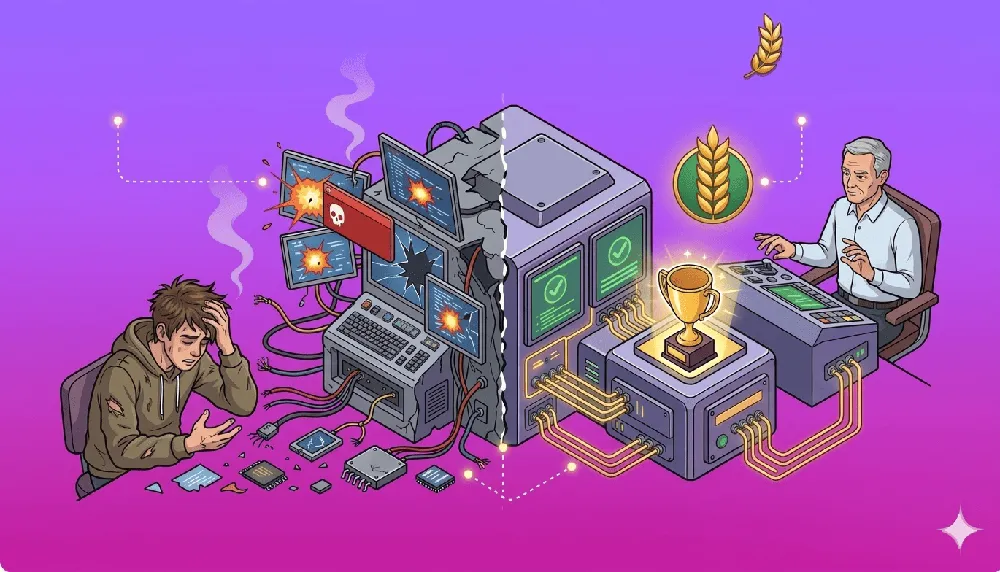
In the hands of a specialist, it becomes an excellent optimization tool that saves time without sacrificing quality. A professional knows how to validate AI-generated output, detect weak points, refine generated solutions, and prevent critical mistakes before they reach production.
The difference is not talent alone — it is process. An experienced engineer treats AI output as a draft from a fast junior developer: useful, often good, never trusted blindly. Every generated fragment passes the same gates as human-written code — review, tests, static analysis, security checks — before it is allowed anywhere near production.
Where AI Genuinely Shines
To be clear, we are enthusiastic adopters. AI is superb at scaffolding new modules, writing test suites, drafting migrations, translating between frameworks, refactoring repetitive code, and documenting systems — the work that consumes engineering hours without demanding deep judgment. Used this way, it returns a meaningful share of a team's time every single week. The point is not to avoid AI; the point is that every one of those accelerations assumes someone competent is steering.
The Vibe-Coding Trap
The biggest risks appear when development is handled by people with no real engineering background who rely only on prompts, surface-level intuition, and the illusion that a working interface means a working product. So-called vibe coders may quickly assemble a prototype and assume the project is ready, while the hidden technical debt keeps growing underneath.
The trap is psychological as much as technical. AI-generated code looks confident: clean formatting, plausible naming, reassuring comments. Competence signals that used to correlate with quality no longer do — which is precisely why an experienced reader, who judges the substance rather than the style, has become more valuable, not less.
AI can suggest code, but it does not take business responsibility for the result and does not understand the full cost of an error in a live environment. This is where serious failures begin.
How AI Projects Fail at a Distance
An inexperienced operator may allow AI to delete a database with valuable information, misconfigure containers, connect unstable or insecure packages, break deployment logic, or create architecture that works only in ideal conditions. At first glance, everything may look acceptable, especially in a demo environment.
But the real problems appear later, at scale, when users start interacting with the system, when data grows, when integrations fail, or when security incidents occur. At that stage, the losses can become enormous: downtime, corrupted data, lost revenue, damaged reputation, and expensive recovery work.
A pattern we repeatedly meet in rescue projects: a product assembled quickly around AI-generated code works beautifully in the demo. Months later the database has grown, queries that were never designed — only generated — start timing out, an unpinned dependency updates itself, and the deploy process that "just worked" cannot roll back. None of these are exotic failures. All of them are invisible until scale makes them expensive.
The main danger of unsupervised AI development is not that the system fails immediately. The danger is that it often fails at a distance. Mistakes made at the early stages may stay invisible for days, weeks, or even months, and then surface in production at the worst possible moment. By then, fixing them is far more expensive than building the system correctly from the start.
Our Supervision Playbook
Here is what engineering control over AI-assisted development looks like in our squads in practice.
Architecture before generation. Humans design the system boundaries, the data model, and the failure modes first; AI accelerates implementation inside that frame — never the other way round. Mandatory review. No AI-generated code merges without a senior engineer reading it — the same rule we apply to human code. Tests as a contract. Generated code ships together with tests that encode what the system must do, so a future regeneration cannot silently change behavior. Security passes. Dependencies, secrets handling, and access boundaries are checked explicitly, because these are exactly the corners AI cuts most confidently. Staged rollouts and monitoring. Changes reach production behind monitoring and a rollback path, so a mistake that survives review still cannot become a disaster.
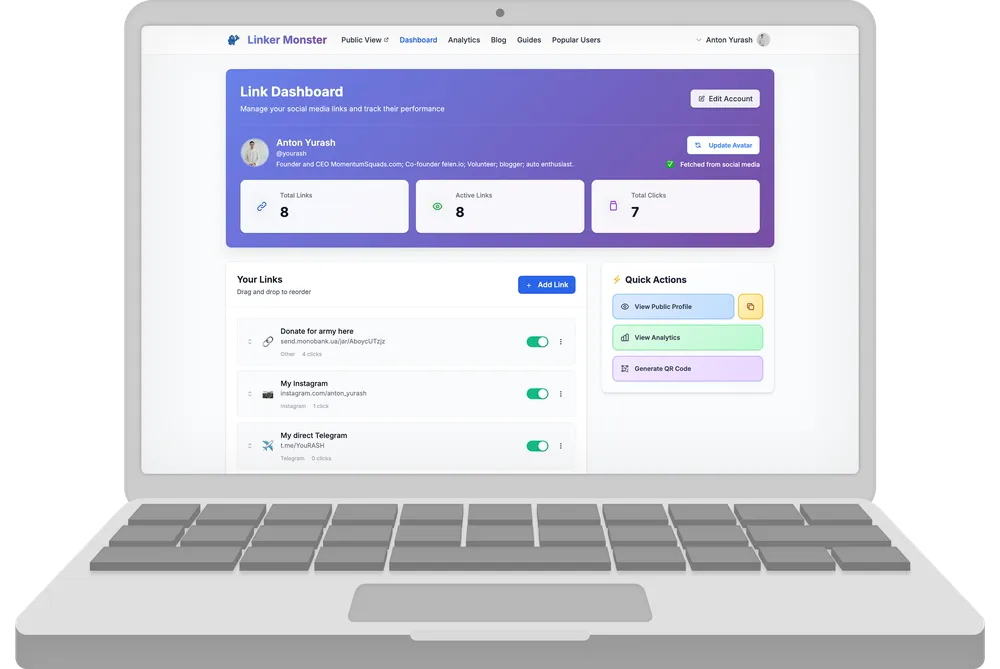
This is how speed and safety coexist. We used AI-accelerated development to ship Linker Monster in days instead of months — with every one of those gates in place.
Running AI Inside Your Own Team? The Same Rules Apply
The supervision principle is not only about hiring vendors. If your in-house developers use AI assistants — and by now most do — the same gates protect you: agree where generated code is allowed, require review regardless of authorship, pin and audit dependencies, and never let a model touch production data or infrastructure directly. One rule costs nothing and prevents the worst incidents: AI proposes, humans dispose. The teams that get hurt are rarely the ones using AI too much — they are the ones using it unsupervised.
What to Ask a Team That "Uses AI"
If a vendor tells you AI makes them fast, ask three questions. Who reviews the generated code, and what is their engineering background? What happens when the model's suggestion is wrong — how would you even know? And how is the system tested against load, failures, and security incidents before launch? Teams with a real engineering culture answer instantly. Teams selling speed alone change the subject.
That is why AI should not replace engineering expertise. It should strengthen it. Businesses that want both speed and reliability should trust their projects to professionals who know how to combine AI capabilities with practical development experience.
This approach delivers not just rapid implementation, but sustainable, secure, and scalable results. AI in the hands of a specialist is a powerful advantage. AI in the hands of an inexperienced executor is a source of uncontrolled risk.
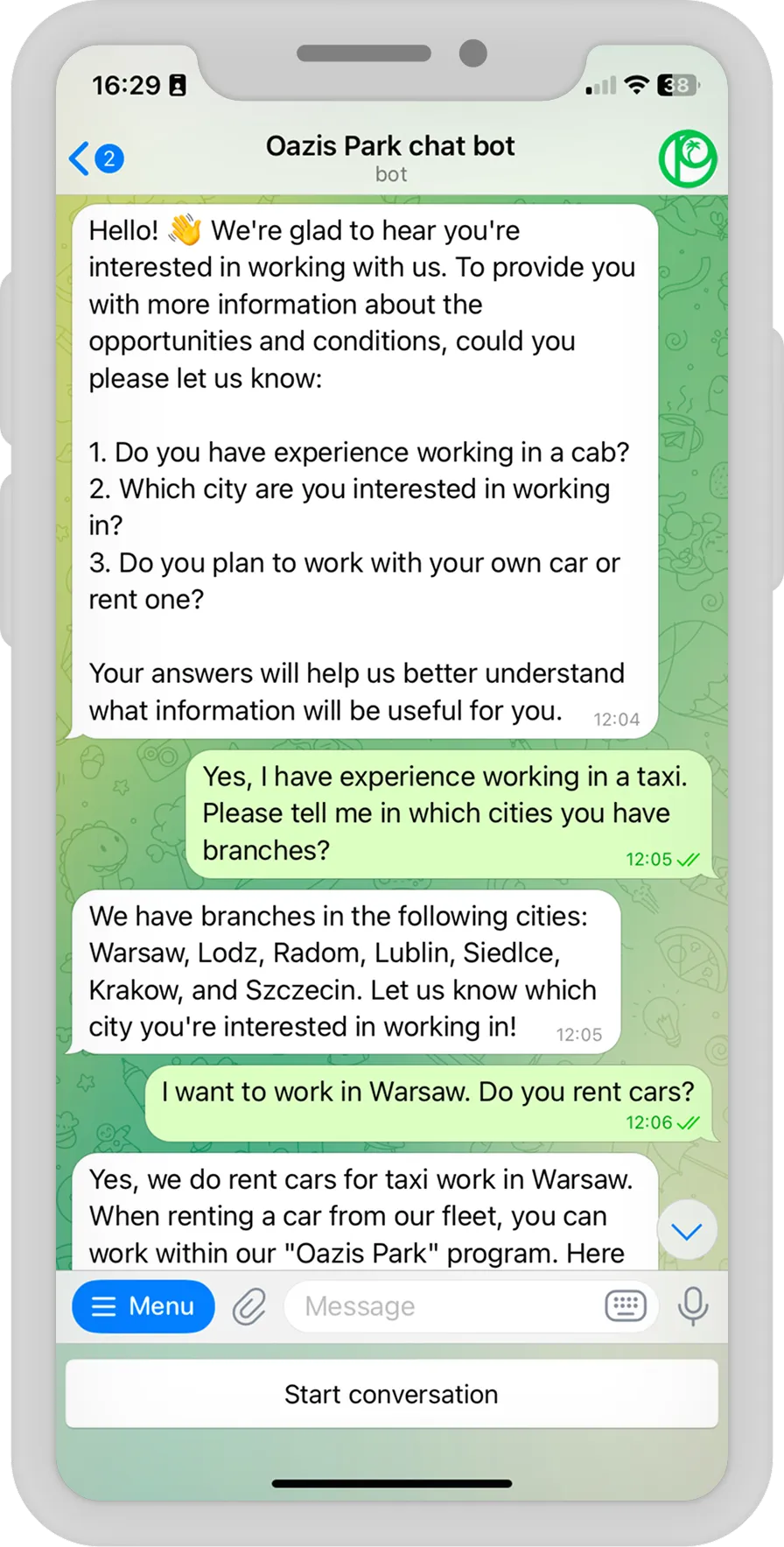
If you want your product built quickly and properly, it is worth working with a team that understands both technology and responsibility. That is exactly how we approach development: fast, thoughtful, and with full engineering control over every critical stage — whether we are building custom platforms or chatbots your operations will depend on.