
Software development has entered a new era in which businesses no longer have to limit themselves to ready-made products that only partially match their needs. The rise of AI, vibe coding, and modern automation has dramatically changed the approach to creating digital tools. What once required months of compromises, complex customization, and heavy technical effort can now be designed and delivered much faster, with stronger alignment to the real business process.
Weighing custom vs off-the-shelf? See our custom platform development services — software built around your process, not the other way round.
When Off-the-Shelf Actually Wins
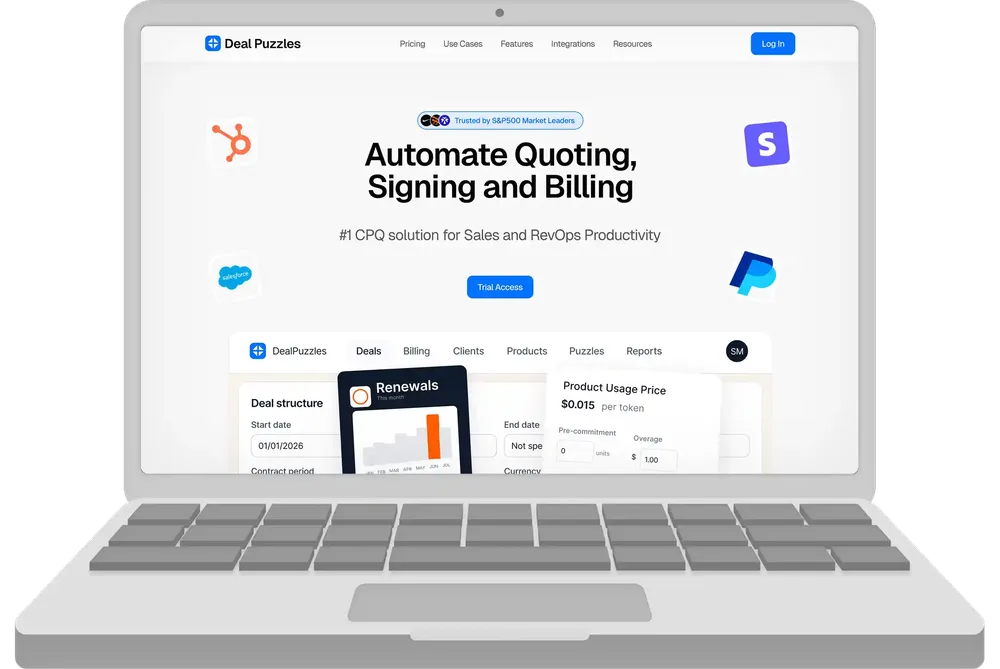
Let's be honest first: templates and SaaS subscriptions are the right call more often than agencies like to admit. If your process is genuinely standard — a landing page, a small catalog store, basic invoicing — a ready product gets you live this week at a predictable cost. We routinely tell early-stage founders to validate demand on a template before investing in anything custom.
The calculation changes when software touches the way your company actually competes. The process that wins you clients is by definition non-standard — and that is exactly the part a generic product cannot hold.
The Hidden Costs of Forcing a Business into a Template
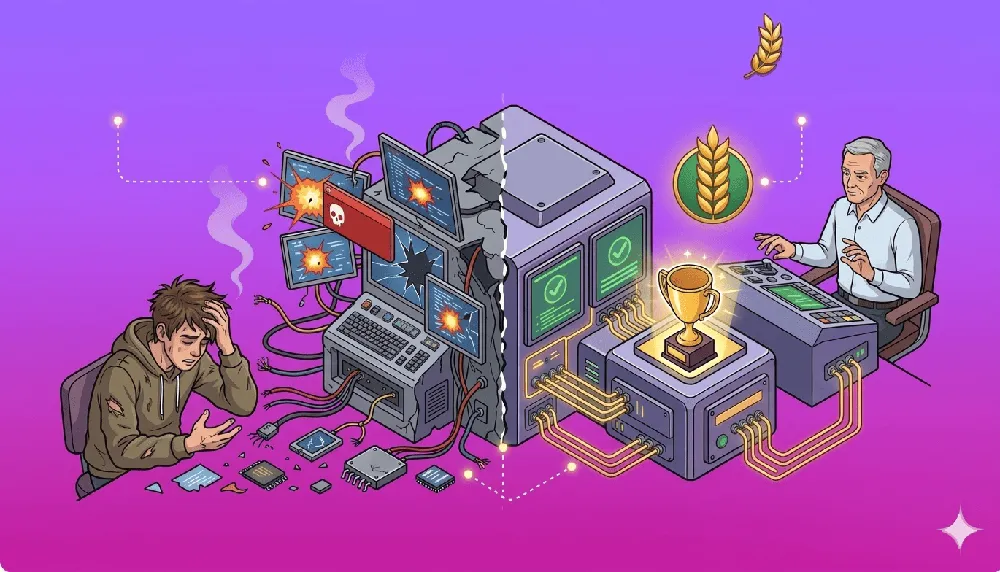
For many companies, searching for an off-the-shelf system used to seem like the safest path. But in practice, such products often force teams to adjust their workflow to the software rather than the other way around. As a result, businesses end up paying not only for the product itself, but also for limitations, unnecessary features, and operational friction. In today’s environment, this approach increasingly loses its value, because technology makes it possible to build software around the company instead of forcing the company into a generic framework.
Trying to adapt ready-made systems through countless plugins and complicated integrations also makes less sense than before. These extensions often increase technical debt, create instability, and make future scaling more difficult. A patched ecosystem may work for a while, but it rarely becomes a truly seamless solution. When the business process is unique, software should reflect that uniqueness directly rather than imitate it through layers of external add-ons.
The bill also arrives in ways that never show up on a pricing page: staff hours spent on workarounds, data locked in a vendor's format, per-seat fees that scale against you, and the slow erosion of process quality as the team adapts to the tool's limitations instead of your standards. Run the numbers over three years, not three months — a subscription that looks cheap at ten users becomes expensive at fifty, customization consultants bill by the hour forever, and replatforming later costs more than building right once.
What Changed: AI Made Custom Fast
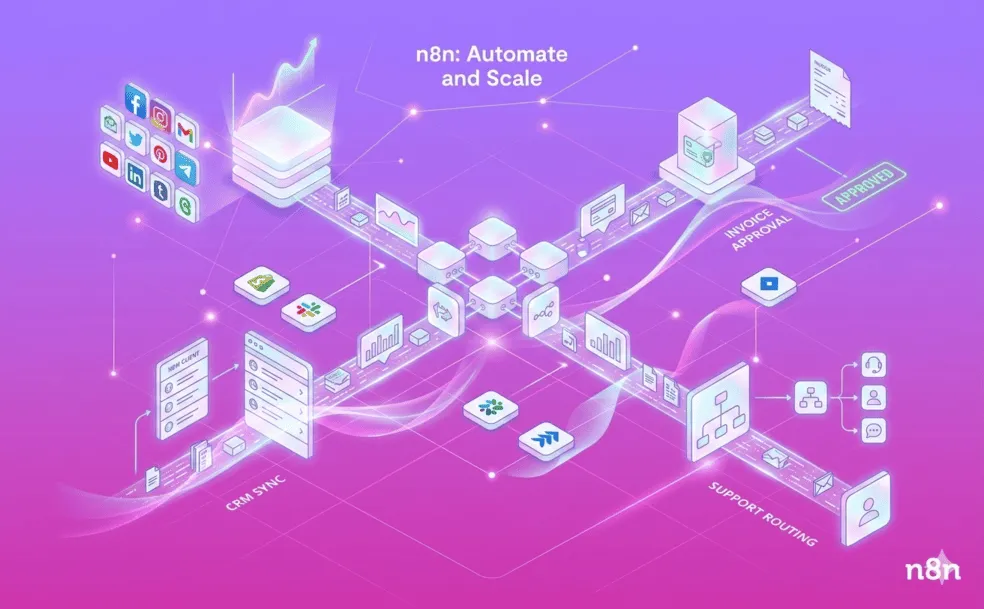
At the same time, AI is exceptionally effective when working with standard patterns and common product types such as CRMs, online stores, internal dashboards, customer portals, and other structured systems. That is natural, because these are exactly the kinds of code structures and implementation patterns it has learned from. This gives development teams a major advantage: they can accelerate the routine parts of production and focus more attention on what really matters, namely adapting the solution to the client’s actual operations, logic, and growth plans.
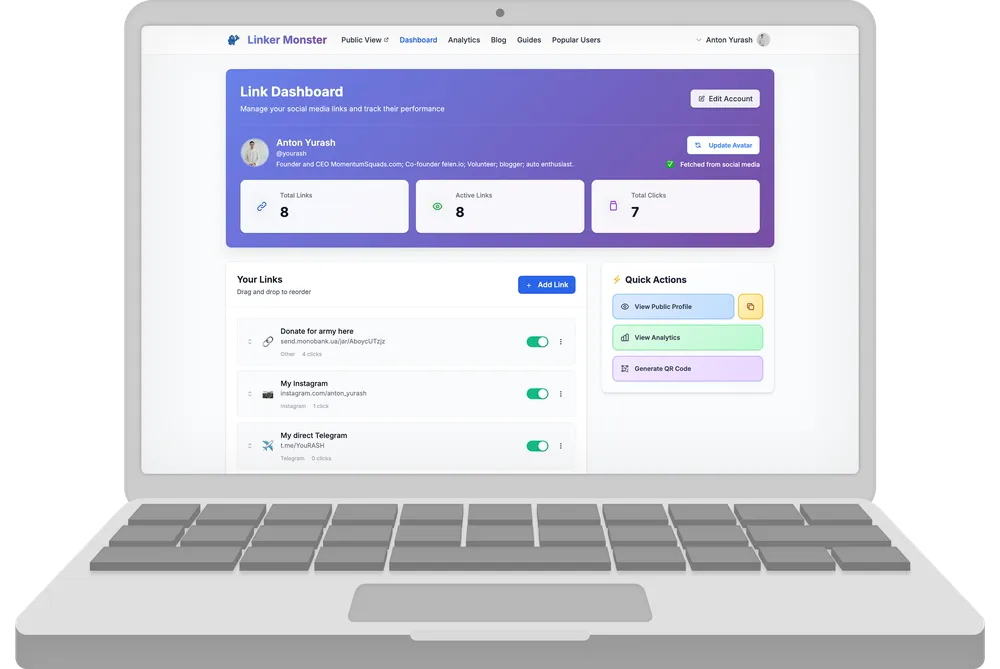
The economics have genuinely shifted. Where a custom system used to mean months of budget, AI-accelerated development compresses the routine layers — scaffolding, standard modules, boilerplate integrations — while senior engineers focus on the part that must be right: your domain logic. We built Linker Monster, a link-in-bio platform, in days rather than months using exactly this approach. Speed no longer requires templates; it requires the right supervision — a topic we covered in depth in why AI-driven development needs experienced engineers.
Custom in Practice
What does "built around the process" look like? For Pnevmo Remont, it meant an e-commerce store and CRM designed as one system — orders, inventory, and customer history in a single flow instead of three tools taped together. For Rozumiu, a consultation platform where booking, payments, and multi-sector scheduling follow the operator's real rules rather than a plugin's assumptions. In both cases the software disappears into the workflow — which is the point.
What You Actually Buy with Custom
The deliverable is not just an app. You own the source code and can change vendors without losing it. You own the data and the schema it lives in. You own the roadmap — features get prioritized by your P&L, not a vendor's user-vote board. And costs behave differently: no per-seat multiplication, no surprise plan migrations, no feature held hostage behind the enterprise tier. Custom is an asset on your side of the table; a subscription is always on the vendor's.
The Middle Path: Extend Instead of Replace
Custom-versus-template is not always binary. Often the smartest move is a hybrid: keep the commodity tools that serve you fine — accounting, email, calendars — and build only the differentiating module, connected to them through APIs. A custom booking core in front of a standard CRM; a bespoke client portal on top of an existing store. This delivers the competitive part at a fraction of a full rebuild, and it is frequently where we start with clients who are not ready to replace everything at once.
Migrating Without the Big Bang
Moving off a template does not require a risky rewrite. The pattern we use: export and preserve the data first, rebuild the core process second, and keep the old system running until the new one has proven itself on live operations. Integrations bridge the transition, and your team switches when the custom system is already the easier option — not because a deadline forced them.
How to Decide: Five Questions
Ask these before choosing either path: Does this process differentiate us, or is it a commodity? How much time does the team lose monthly to workarounds? Who owns the data, and can we leave with it? What happens to the cost at three times our current scale? And how fast can we change the system when the business changes? If the answers lean toward control, speed of change, and ownership — you have outgrown templates.
That is why the future belongs to practical, custom-built digital products created with speed, flexibility, and business fit in mind. Instead of forcing a company to adapt to software, we believe software should adapt to the company. If you are weighing this decision, write to us — we will honestly tell you if a template is enough, and if it is not, design the custom core your process deserves.